-
What are the advantages and disadvantages of knockout mouse?
The introduction of a foreign (artificial) DNA sequence into a genetically engineered laboratory mouse (Mus musculus) inactivates or “knocks out” a certain gene. Knockout mice show phenotypic (observable trait) changes, revealing critical information on the function of specific genes. Many genes are shared by mice and humans. As a result, data from Knockout mouse models can give light on both the biological activities of individual genes and their relevance in human disease.
Knockout mice have been created.
Gene trapping and homologous recombination (or gene targeting) are two techniques used to create knockout mice. Both methods make use of mouse embryonic stem (ES) cells, which are extracted from mouse embryos four days after fertilization. Artificial DNA with flanking sequences that are homologous (identical) to those occurring upstream and downstream of the target gene DNA sequence is injected into the nucleus of a mouse ES cell in the first way, homologous recombination. The ES cell recognizes the flanking sequences that are homologous and swaps out the target gene DNA for parts of the foreign DNA. The alien DNA, on the other hand, is dormant. As a result of its absorption into the ES cell genome, the target gene is inactivated or knocked off. The foreign DNA is usually constructed to carry a reporter gene, which marks or tags the position of an existing gene in the mouse cell genome, allowing researchers to detect its existence as the cells replicate. When a specific allele (gene) must be replaced with an engineered DNA sequence without impacting other genes in the genome, homologous recombination is the method of choice.
Artificial DNA with a reporter gene is also used in gene trapping. Instead of targeting a specific gene, the foreign DNA is inserted into any gene in the mouse ES cell genome at random. The foreign sequence renders the damaged gene inactive by preventing it from encoding its protein products. When the reporter gene is incorporated into the ES cell genome, it becomes active, allowing researchers to track gene activity and derive the function of the damaged gene.
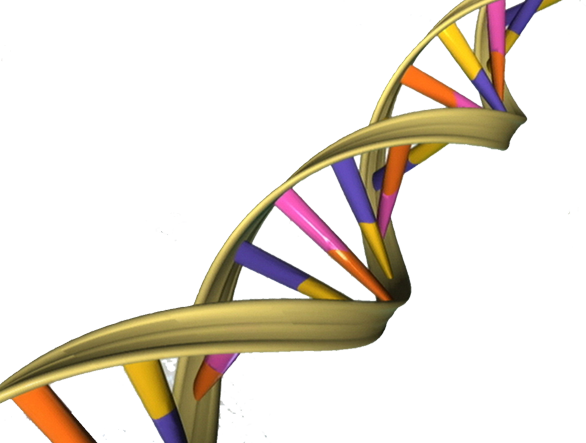
A retrovirus or other viral vector is used to introduce artificial DNA sequences into mouse ES cells, and the transformed ES cells are subsequently cultured in cell cultures. The cells are injected into early mouse embryos, which are then placed into the uterus of a surrogate mother, where they develop and are carried to term after a few days. Because the mouse pups are born with both modified and nonmodified tissue, they are not full knockout mice. The mice must be bred for multiple generations in order to produce a pair of real knockout mice (homologous knockouts). The animals are first crossed with other mice to produce heterozygote mice (mice with one copy of the target gene), and then heterozygote mice are interbred to produce homozygotes.
Applications
Researchers can investigate mammalian physiology in great detail thanks to homologous recombination and gene trapping. Knockout mice can also help researchers better grasp the role of comparable genes in human disorders. Multiple human diseases and disorders have been studied using knockout mouse models, including arthritis, atherosclerosis, cancer, cystic fibrosis, diabetes mellitus, hypertension, Parkinson disease, and thalassemia. The use of homologous recombination to target specific genes has shed light on the involvement of many genes involved in embryonic development and has enhanced our understanding of the origins of several human congenital diseases. The role of genes in mammalian organ development and body plan creation has been extensively explored, thanks in part to the development of knockout mice. Knockout animal models have also used as a platform for the development and testing of new pharmacological treatments.
However, homologous recombination and gene trapping have limits. Inactivation via targeted knockout is deadly for roughly 15% of genes, preventing changed embryos from growing into adult mice. As a result, the functions of those genes cannot be fully investigated, and their roles in human biology and disease cannot be determined using animal knockout models. In several circumstances, genes perform diverse functions during the embryological and adult stages. Furthermore, knocking out a gene may not result in any phenotypic changes, and the alterations seen in mice models may differ significantly from those seen in humans when the same gene is inactivated in both.
Despite their flaws, homologous recombination and gene trapping have proven to be extremely useful methods for examining gene function in living animals. The effective creation of a wide range of knockout mouse models has resulted in the collection of a substantial body of knowledge that has supported breakthroughs in human disease treatment and prevention.
Please contact Cyagen for additional details.

 The DNA Types